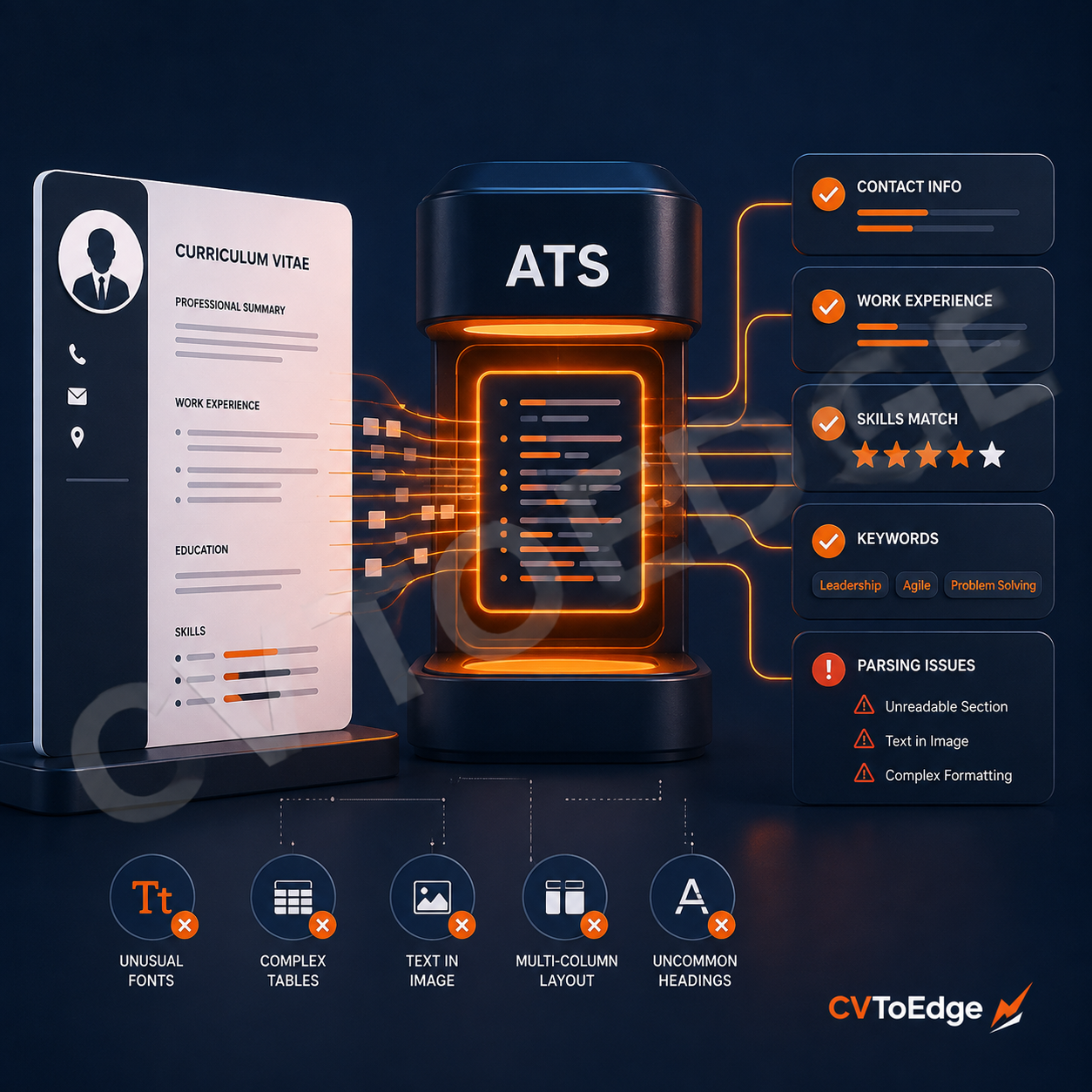
Recruiters in 2026 are placing greater emphasis on transferable skills, digital literacy, adaptability, and the ability to create engaging learning experiences.
The education sector is evolving rapidly. Advances in technology, changing student expectations, hybrid learning models, and an increased focus on personalized education have reshaped what schools, colleges, universities, and training institutions expect from educators.
While qualifications and teaching experience remain essential, recruiters in 2026 are placing greater emphasis on transferable skills, digital literacy, adaptability, and the ability to create engaging learning experiences.
Whether you're applying for a role as a classroom teacher, lecturer, instructional designer, academic administrator, teaching assistant, or educational consultant, understanding what recruiters value can help you tailor your CV and stand out from the competition.
In this guide, we'll explore the key skills education recruiters are looking for in 2026 and how you can effectively demonstrate them on your CV.
Why Skills Matter More Than Ever
Modern education is no longer limited to delivering lessons in a classroom. Educators are expected to support diverse learners, integrate technology into teaching, analyze student performance, collaborate with colleagues, and continuously improve learning outcomes.
As a result, recruiters are increasingly evaluating candidates based not only on what they've taught, but also on how they teach, collaborate, innovate, and adapt.
A strong CV should demonstrate that you can thrive in today's dynamic educational environment.
1. Digital Literacy and Educational Technology
Technology has become an integral part of modern education. Schools and universities increasingly rely on digital platforms for teaching, assessment, communication, and administration.
Recruiters actively seek candidates who are comfortable using educational technology.
Valuable Technical Skills
Learning Management Systems (LMS)
Google Classroom
Microsoft Teams for Education
Moodle
Canvas
Blackboard
Zoom and virtual teaching platforms
Interactive whiteboards
Digital assessment tools
Educational AI tools
Example Achievement
Designed and delivered blended learning programmes using Google Classroom and Microsoft Teams, improving assignment submission rates by 25%.
Highlighting practical experience with educational technology demonstrates your readiness for modern teaching environments.
2. Student-Centred Teaching
Today's educators are expected to place learners at the centre of the educational experience.
Recruiters look for professionals who can:
Differentiate instruction
Support diverse learning styles
Encourage critical thinking
Foster active participation
Create inclusive learning environments
Rather than focusing solely on content delivery, emphasize how your teaching improves student engagement and achievement.
Example
Implemented differentiated lesson plans that increased student participation and improved end-of-term assessment performance across mixed-ability classes.
3. Communication Skills
Excellent communication remains one of the most important qualities employers seek.
Education professionals communicate with:
Students
Parents
Guardians
School leadership
Colleagues
External stakeholders
Strong communication includes:
Clear instruction
Constructive feedback
Active listening
Written communication
Public speaking
Professional reporting
Your CV should demonstrate situations where effective communication contributed to positive outcomes.
4. Classroom and Behaviour Management
Creating a positive learning environment is fundamental to effective teaching.
Recruiters want candidates who can maintain classrooms that are:
Safe
Respectful
Inclusive
Productive
Well-organized
Ways to Demonstrate This
Instead of simply stating:
Managed classroom behaviour.
Describe the impact.
Example:
Implemented positive behaviour management strategies that reduced classroom disruptions and increased student engagement throughout the academic year.
Results always carry more weight than responsibilities.
5. Adaptability and Flexibility
Educational institutions continue to adapt to changing curricula, new technologies, and evolving learner needs.
Recruiters value professionals who can respond positively to change.
Examples include:
Teaching both online and in person
Adjusting lesson plans quickly
Supporting curriculum changes
Working with diverse student populations
Adopting new educational technologies
Adaptability signals resilience and a willingness to embrace continuous improvement.
6. Data-Driven Decision Making
Teaching today involves much more than delivering lessons.
Educators increasingly use data to evaluate student progress and improve learning outcomes.
Recruiters appreciate candidates who can:
Analyse assessment results
Monitor learner progress
Identify learning gaps
Adjust instructional strategies
Use evidence to improve teaching
Example Achievement
Analysed assessment data to identify learning gaps, leading to targeted interventions that increased pass rates by 18%.
Demonstrating measurable impact through data is becoming increasingly valuable.
7. Collaboration and Teamwork
Education is highly collaborative.
Teachers work closely with:
Subject departments
Teaching assistants
School leadership
Counsellors
Parents
External agencies
Recruiters seek professionals who contribute positively to collaborative environments.
Examples include:
Participating in curriculum development
Mentoring new teachers
Leading departmental initiatives
Supporting extracurricular activities
Working on school improvement projects
Strong teamwork skills often distinguish outstanding educators.
8. Inclusive Education and Diversity Awareness
Classrooms today are more diverse than ever.
Employers value educators who create learning environments where every student feels supported and included.
Important competencies include:
Inclusive teaching practices
Cultural awareness
Special educational needs support
Accessibility considerations
Equity-focused instruction
Example
Adapted teaching strategies to support learners with varying educational needs, improving participation and overall classroom engagement.
An inclusive approach demonstrates empathy, professionalism, and modern teaching practice.
9. Leadership and Initiative
Leadership isn't limited to headteachers or department heads.
Recruiters also value candidates who demonstrate initiative through everyday responsibilities.
Examples include:
Leading school projects
Organising educational events
Coordinating extracurricular programmes
Mentoring colleagues
Introducing innovative teaching methods
Leadership demonstrates confidence, responsibility, and the ability to inspire others.
10. Continuous Professional Development (CPD)
Education is constantly evolving.
Recruiters want professionals who actively invest in their own learning.
Include:
Professional certifications
Educational workshops
Conferences
Webinars
Specialist training
Additional qualifications
Membership of professional organisations
Continuous learning demonstrates commitment to excellence and lifelong development.
11. AI Literacy Is Becoming Increasingly Valuable
Artificial intelligence is beginning to reshape education.
Many schools and higher education institutions now encourage responsible use of AI tools to improve productivity and enhance learning experiences.
Recruiters increasingly value educators who understand how to use AI ethically and effectively.
Examples include:
Creating lesson resources
Supporting differentiated instruction
Generating quizzes and learning materials
Assisting with administrative tasks
Providing personalised learning support
Improving feedback efficiency
Employers are not necessarily looking for AI experts—they're looking for educators who can use emerging technologies responsibly to improve teaching and learning.
12. Emotional Intelligence
Teaching is as much about people as it is about knowledge.
Recruiters appreciate educators who demonstrate:
Empathy
Patience
Self-awareness
Conflict resolution
Relationship building
Emotional resilience
These qualities help create positive classroom environments and stronger student outcomes.
Tailor Your CV for Every Role
Different educational institutions have different priorities.
Before submitting your application:
Read the job description carefully.
Identify the skills being requested.
Mirror relevant keywords naturally throughout your CV.
Highlight your most relevant achievements.
Prioritise experience that aligns with the employer's needs.
A tailored CV consistently performs better than a generic one.
Common Mistakes Education Applicants Make
Avoid these common pitfalls:
Listing responsibilities without measurable achievements
Failing to mention educational technology skills
Ignoring recent professional development
Using generic professional summaries
Omitting leadership or extracurricular contributions
Submitting the same CV for every application
Not demonstrating student impact
A recruiter wants evidence—not assumptions.
Education CV Checklist
Before submitting your CV, ask yourself:
✔ Have I highlighted my teaching impact rather than just my duties?
✔ Are my digital teaching skills clearly visible?
✔ Have I included measurable achievements?
✔ Does my CV demonstrate collaboration and leadership?
✔ Have I showcased professional development?
✔ Does my experience reflect inclusive teaching practices?
✔ Have I tailored the CV to the specific role?
✔ Is the formatting clean and easy to read?
If you answered "yes" to these questions, you're well positioned to compete for education roles in 2026.
Final Thoughts
The education sector continues to evolve, and recruiters are looking for professionals who can adapt alongside it. While subject knowledge and qualifications remain fundamental, employers increasingly prioritize educators who embrace technology, foster inclusive learning, use data to improve outcomes, and demonstrate strong communication and leadership skills.
The most successful candidates present themselves as lifelong learners who are committed not only to teaching but also to continuous improvement and student success.
Your CV should tell that story clearly. Rather than simply listing responsibilities, focus on the measurable impact you've had on students, colleagues, and your institution. Show recruiters how your skills translate into better learning experiences and stronger educational outcomes.
If you're ready to strengthen your application, CVToEdge can help. Our AI-powered platform analyzes your CV for ATS compatibility, identifies missing keywords, evaluates formatting and structure, and provides personalized recommendations to help education professionals create recruiter-ready CVs that stand out in today's competitive job market. Register & Subscribe today.