Upskilling is the process of learning new skills or improving existing ones to remain relevant in your profession. One of the most effective ways to demonstrate your commitment to continuous learning is by earning professional certifications.
The world of work is changing faster than ever. New technologies emerge every year, industries evolve, and employers continuously seek professionals who can adapt to new challenges. In this environment, relying solely on your university degree or years of experience is no longer enough to stay competitive.
This is where upskilling comes in.
Upskilling is the process of learning new skills or improving existing ones to remain relevant in your profession. One of the most effective ways to demonstrate your commitment to continuous learning is by earning professional certifications.
Whether you're a recent graduate, an experienced professional, or someone looking to switch careers, the right certifications can strengthen your CV, increase your earning potential, and open doors to exciting new opportunities.
In this guide, we'll explore why certifications matter, how they can accelerate your career, and how to choose the ones that offer the greatest value.
What Is Upskilling?
Upskilling refers to intentionally developing new knowledge and competencies that help you perform better in your current role or prepare for future career opportunities.
Upskilling can include:
Professional certifications
Online courses
Industry workshops
Technical training
Leadership programmes
Short professional courses
Bootcamps
Continuing professional education
Unlike traditional education, upskilling focuses on practical, job-relevant skills that employers need today.
Why Certifications Matter
Professional certifications provide independent proof that you've mastered a particular skill or body of knowledge.
While a CV tells employers what you've done, certifications demonstrate that you've invested in developing your expertise.
Recruiters often view certifications as evidence of:
Commitment to continuous learning
Technical competence
Industry knowledge
Professional discipline
Career ambition
In competitive job markets, certifications can become the factor that distinguishes one candidate from another.
How Certifications Accelerate Your Career
1. They Make Your CV More Competitive
Recruiters frequently compare candidates with similar educational backgrounds and work experience.
A relevant certification can immediately strengthen your application.
For example, two project managers may have similar experience, but the candidate with a recognized project management certification may stand out because they have demonstrated additional professional development.
Certifications also help recruiters quickly identify specialized expertise.
2. They Increase Your Visibility in ATS
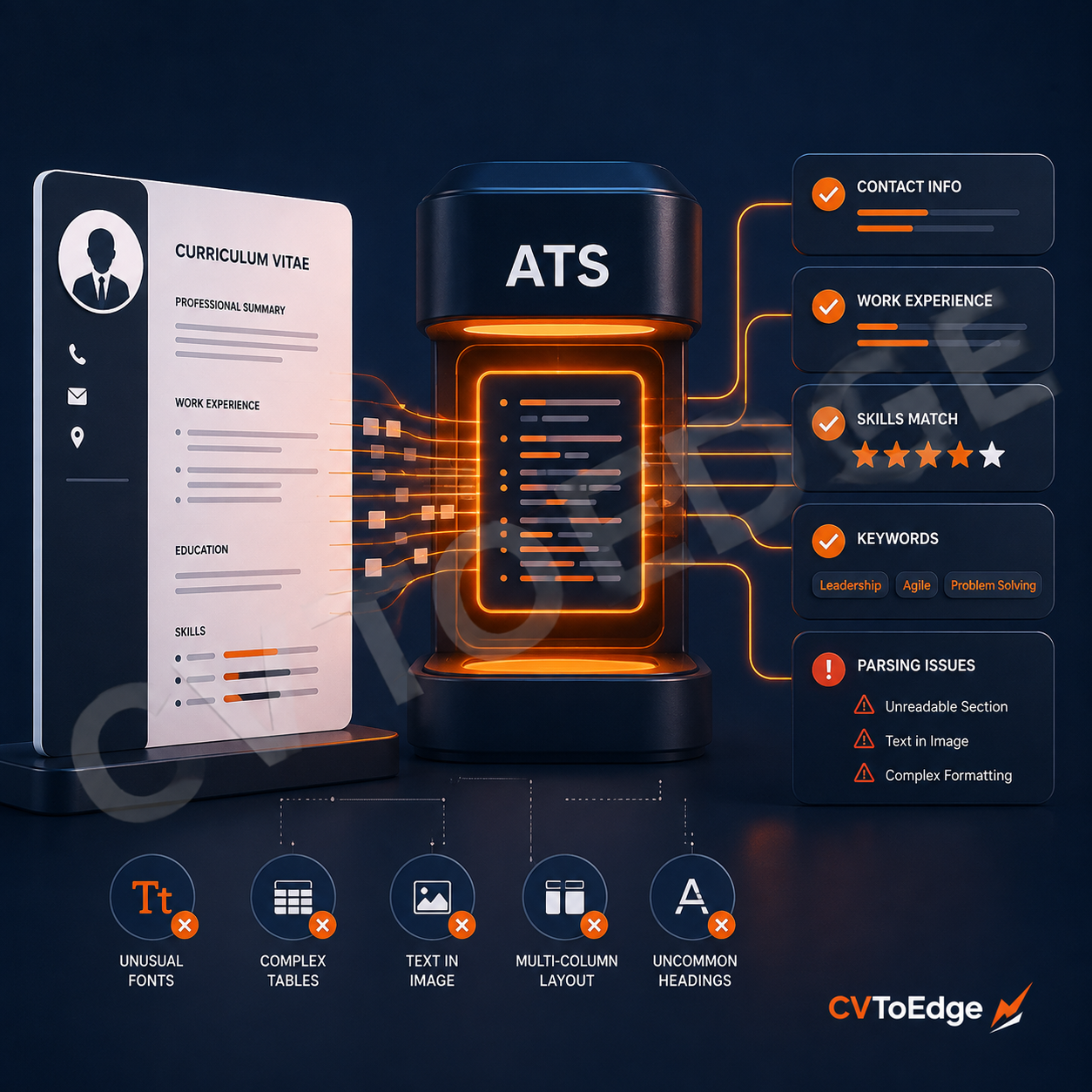
Many organizations use Applicant Tracking Systems (ATS) to filter applications before recruiters review them.
These systems often search for certification names listed in job descriptions.
Examples include:
PMP
AWS Certified Solutions Architect
Microsoft Certified Azure Administrator
Google Professional Data Engineer
Certified ScrumMaster (CSM)
CompTIA Security+
Cisco CCNA
ACCA
CFA
Including relevant certifications naturally within your CV can improve your ATS compatibility and increase your chances of reaching a recruiter.
3. They Demonstrate Commitment to Learning
Industries evolve constantly.
Employers appreciate professionals who actively keep their knowledge up to date.
Certifications send a strong message:
"I invest in my professional growth."
This mindset is particularly valuable in industries experiencing rapid technological or regulatory changes.
4. They Can Help You Change Careers
Career transitions can be challenging because employers often prefer candidates with direct experience.
Certifications help bridge this gap.
Imagine someone moving from customer service into data analysis.
Completing certifications in:
SQL
Power BI
Excel
Data Analytics
demonstrates initiative and provides evidence of relevant knowledge before securing a first role.
While certifications alone won't replace experience, they significantly strengthen your credibility during career transitions.
5. They Increase Earning Potential
Professionals with specialized certifications often qualify for higher-paying positions.
Employers recognize that certified professionals typically require less training and bring validated expertise.
Examples include certifications in:
Cloud computing
Cybersecurity
Project management
Finance
Data science
Artificial intelligence
Business analysis
Although salary outcomes vary by industry and location, certifications often improve long-term earning potential.
6. They Build Professional Confidence
Learning something new improves more than your CV.
It improves your confidence.
Certification programmes expose you to:
Best practices
Industry standards
Real-world scenarios
Practical problem-solving
As your knowledge grows, so does your ability to contribute meaningfully in the workplace.
Confidence often translates into stronger interview performance and greater workplace effectiveness.
Choosing the Right Certification
Not every certification offers the same value.
Before enrolling, consider the following questions.
Is It Relevant to Your Career Goals?
Choose certifications that align with your target role.
Examples:
Software Engineering
AWS Certified Developer
Microsoft Azure Developer Associate
Google Cloud Professional Developer
Cybersecurity
CompTIA Security+
Certified Ethical Hacker (CEH)
CISSP
Project Management
PMP
PRINCE2
Certified ScrumMaster (CSM)
Data Analysis
Microsoft Power BI Data Analyst
Google Data Analytics Professional Certificate
Tableau Desktop Specialist
Finance
ACCA
CFA
CIMA
CPA
Human Resources
SHRM Certified Professional
HRCI Certifications
Choosing certifications relevant to your career path maximizes your return on investment.
Consider Industry Recognition
A certification is most valuable when employers recognize and respect it.
Before enrolling:
Read job descriptions.
Identify certifications employers frequently request.
Speak with professionals in your industry.
Review hiring trends.
A widely recognized certification generally provides greater career benefits than one with limited industry acceptance.
Balance Cost and Value
Some certifications require a significant financial investment.
Consider:
Examination fees
Study materials
Renewal costs
Training programmes
Time commitment
Sometimes an affordable certification with strong employer recognition provides better value than an expensive programme with limited demand.
Think of certifications as career investments, not simply educational expenses.
Showcase Certifications Effectively on Your CV
Once you've earned a certification, ensure recruiters can easily find it.
Create a dedicated Certifications section.
Example:
Certifications
AWS Certified Solutions Architect – Associate
Google Data Analytics Professional Certificate
Project Management Professional (PMP)
If you're currently studying, mention it.
Example:
Certified ScrumMaster (Expected Completion: September 2026)
This demonstrates ongoing professional development.
Don't Forget to Update Your Online Presence
Your CV isn't the only place certifications belong.
Update:
LinkedIn
Personal website
Professional portfolio
Online professional profiles
Many recruiters search LinkedIn specifically for candidates with particular certifications.
Keeping your profiles current improves your visibility.
Common Mistakes to Avoid
Collecting Certifications Without Direction
Don't pursue certifications simply because they're popular.
Choose those aligned with your career goals.
Ignoring Practical Experience
Certifications strengthen your profile, but employers also want evidence that you can apply your knowledge.
Whenever possible, combine certifications with real-world projects.
Listing Expired Certifications
Only include valid certifications unless they're permanent credentials.
Forgetting to Mention Renewal Status
Some certifications require periodic renewal.
Ensure your CV reflects your current certification status.
Build a Learning Habit
Career growth doesn't end after earning one certification.
The most successful professionals make continuous learning part of their careers.
Consider setting annual learning goals.
For example:
Complete one major certification.
Attend two industry conferences.
Read one professional book each month.
Complete quarterly online courses.
Learn one new workplace tool every six months.
Small, consistent improvements compound into significant career growth over time.
Upskilling Checklist
Before investing in a certification, ask yourself:
✔ Does it align with my career goals?
✔ Is it recognized by employers in my industry?
✔ Will it help me develop practical skills?
✔ Can I demonstrate those skills through projects or experience?
✔ Will it strengthen my CV and LinkedIn profile?
✔ Does it improve my long-term career prospects?
If the answer is yes, it's likely a worthwhile investment.
Final Thoughts
In today's rapidly changing job market, standing still is rarely an option. Continuous learning has become one of the most valuable investments you can make in your career.
Professional certifications not only expand your knowledge but also demonstrate initiative, commitment, and expertise to employers. Whether you're aiming for a promotion, changing careers, increasing your salary, or simply staying relevant, the right certification can accelerate your professional journey.
Remember, certifications work best when combined with practical experience, measurable achievements, and a well-crafted CV that communicates your value clearly.
If you've recently earned new certifications—or are planning to—make sure your CV reflects those achievements effectively. CVToEdge helps professionals optimize their CVs for ATS compatibility, highlight certifications strategically, and present their skills in a way that captures recruiters' attention, giving them the confidence to pursue their next career opportunity. Register & Subscribe today.